





Ultra Low Emission Zone

On 4 April 2017, the Mayor of London confirmed plans to introduce an Ultra Low Emission Zone (ULEZ) in the centre of the capital.
Sadiq Khan, having laid out his proposal in ‘A City for All Londoners’, published in October 2016, intends to introduce daily charges for heavy diesel vehicles driving in central London, in an effort to tackle the city’s worsening air pollution problems. The ULEZ will came into force on 8 April 2019 covering the same area as the existing congestion charging zone.
The zone will then be widened across Greater London for heavy vehicles in 2020, and up to the North and South Circular roads for cars and vans in 2021.
A daily ULEZ fee will charged for petrol vehicles that fail to meet Euro 4 standards (typically those more than 13 years old in 2019) and diesel vehicles that fail to meet Euro 6 standards (typically those more than 4 years old in 2019). These fees will apply 24-hours a day, all year round, will be in addition to the existing congestion charge, and will be as follows:
- Cars, vans, motorbikes: £12.50/day.
- Buses, coaches, HGVs: £100/day.
Justifying his drastic plans, which will be the strictest of any city in the world, Khan said: “The air in London is lethal and I will not stand by and do nothing.”
However, the proposals have sparked controversy and concerns that they could hit small businesses, van drivers and specialist hauliers particularly severely.
Natalie Chapman, Head of policy for London and South-east, Freight Transport Association (FTA), said; “We need to continue the improvement in London’s air quality which is happening anyway, but this regulation taking effect in 2019 will severely disadvantage small businesses working in the capital’s centre. The impact will be especially hard for van users, as by 2019 there will only be two and a half years’ worth of compliant vehicles in the fleet – and no second hand compliant vehicles available for purchase at all.”
The FTA is calling for businesses to have access to a ‘sunset clause’, allowing them more time to comply with the changes required.
The plans come at the same time that figures from the Department for Transport have revealed apps such as Uber and internet shopping deliveries have led to a surge in the number of cars and vans in central London.
[edit] Related articles on Designing Buildings Wiki
- A City for all Londoners.
- Air quality.
- BSRIA responds to UK Air Pollution Report.
- Cycling and walking plan.
- Engineering Cleaner Air.
- Greener City Fund for London.
- High pollution location.
- Infrastructure under Mayor Sadiq Khan.
- London infrastructure plan.
- Low Emission Zone.
- Response to Mayors consultation document.
- T-Charge.
- The London Plan.
Featured articles
Check out some of the best features and news from Designing Buildings as well as key stories from around the web.

The real barrier to getting more value from digital technology.

Your guide to The Construction Reset at UKCW Birmingham.

Accommodating the Victorian and Edwardian working woman. Book review.
Rethinking passive fire protection in design

PFP demands the same level of design rigour as structure or services.

38% of Gen Zs feel safe when a fire door is wedged open.
Stunning images from around the world

Shortlist for CIOB’s Art of Building photography competition.

Guidance for conversion of traditional pre-1919 stone buildings.
Industrial heritage in the Ruhr
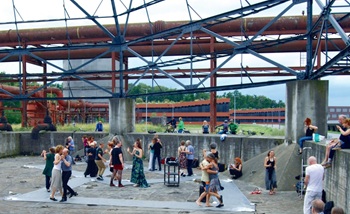
A marked difference to the fate of industrial landscapes in the UK.
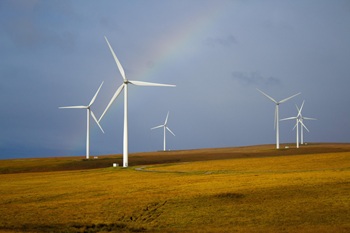
Communities will be able to build their own clean energy.
Why diversity and inclusion matters for SMEs

CIOB’s D&I Charter shows how practical changes can support long-term growth.
Cut electricity bills to power growth

Coalition sends joint letter to the Chancellor.

Gasholders: a history in pictures. Book review.